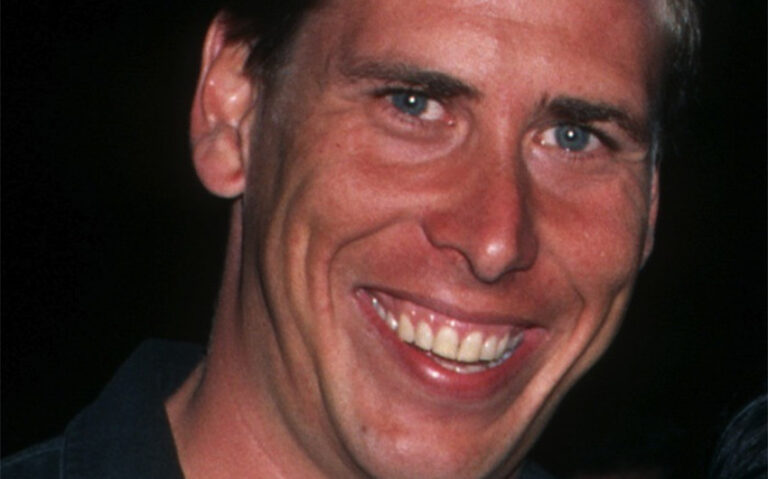
Jamie Siminoff Net Worth Estimate: How Ring’s Founder Built His Fortune Today
If you’re searching jamie siminoff net worth, you’re probably wondering how a “Shark Tank” rejection turned into a life-changing payday—and what that means in real dollars today. Because he built a private company and later sold it in a deal reported around the billion-dollar mark, you won’t find one official number stamped on a public report. But you can make a smart estimate by understanding how founders get paid, how equity works after fundraising, and what happens after a major acquisition.
Jamie Siminoff net worth estimate in 2026
A realistic estimate for Jamie Siminoff’s net worth in 2026 is roughly $300 million to $400 million, with many “middle-of-the-road” estimates landing around $350 million.
You should treat that as a well-informed range, not a guaranteed figure pulled from his personal financial statements. Most of his wealth is tied to ownership stakes, deal terms, and investments that aren’t fully public—so precision beyond a range is usually more guess than fact.
Why his net worth is hard to pin down exactly
When you look up a movie star’s net worth, it’s often based on public contracts and visible deals. With startup founders, it’s more complicated. Your wealth depends on:
- How much equity you owned at the time of a sale
- How much you were diluted by investors over multiple funding rounds
- Whether you sold any shares before the acquisition (secondary sales)
- How the acquisition was structured (cash vs. stock, bonuses, vesting, retention incentives)
- What you did with the money afterward (tax strategy, investing, real estate, new ventures)
So when someone claims an ultra-specific number, it’s usually not “insider knowledge.” It’s a formula built on assumptions.
The origin story that explains the money
You can’t understand Jamie Siminoff’s wealth without understanding what made Ring valuable in the first place. The story starts with a simple idea: you want to answer your door from anywhere. That one idea became a product category.
Before it was Ring, it was Doorbot—a video doorbell concept he pitched on “Shark Tank.” The show didn’t go his way, but that moment did something just as powerful: it validated the problem to millions of viewers, even if the investors passed. If you’ve ever had a business idea that felt “too early,” you already understand how that kind of exposure can become rocket fuel later.
How Ring became a billion-dollar outcome
Ring didn’t become valuable because it was a gadget. It became valuable because it sat at the intersection of three massive consumer trends:
- Smartphones becoming the remote control for daily life
- Home security shifting from expensive installed systems to DIY devices
- Subscriptions and cloud services creating recurring revenue, not one-time sales
That last point is huge. A device business can be good. A device business with recurring subscription revenue can be worth a lot more, because buyers aren’t just purchasing a product—they’re purchasing predictable future cash flow.
When Amazon acquired Ring in 2018 for a price widely reported around $1 billion, it wasn’t just buying doorbells. It was buying a major footprint in the smart home ecosystem and a front door entry point into security and delivery-related services.
The “founder math” behind his fortune
Here’s the part people often misunderstand: a $1 billion sale doesn’t mean the founder gets $1 billion.
Startups raise money. Every round usually dilutes founders. By the time a company sells, the founder’s stake might be 30%, 20%, 10%, or less depending on how much capital was raised and how the cap table was structured.
So how do you get to a $300–$400 million net worth estimate?
A plausible pathway looks like this:
- Ring sells in a deal reported around $1B
- Jamie retains a meaningful equity stake, but not 100%
- After dilution, taxes, and deal structure, he still walks away with a nine-figure outcome
- He continues earning through leadership roles, investing, and new ventures
That’s why the range makes sense even if you can’t see the exact percentages.
How he continues earning after Ring
A lot of people assume a founder cashes out and disappears. That’s not how most big tech outcomes work. Even after a sale, your income can continue through multiple channels.
Compensation from executive roles
After a major acquisition, founders often stay on with:
- Salary
- Performance bonuses
- Stock-based compensation
- Long-term retention packages
You don’t need to know the exact terms to understand the impact: staying in a senior role can add meaningful wealth on top of the original exit.
New ventures and exits
Jamie didn’t freeze his career after Ring. Like many founders, he moved into building and investing again. Even one additional successful sale or investment can move your net worth meaningfully—especially when you’re starting with significant capital and a strong network.
Investing and compounding
Once you’ve had a big exit, your money can grow through:
- Index fund and diversified investing
- Real estate
- Angel investments in startups
- Private market opportunities
The real “wealth game” after a big exit is compounding. If you invest well and don’t overspend, your net worth can grow substantially even without another headline-making company sale.
What can reduce a founder’s take-home wealth
If you’re looking at a $1B acquisition and thinking, “Why isn’t he worth $800M+?” this is where reality kicks in.
Taxes
Depending on deal structure, taxes can be enormous. A nine-figure exit can quickly shrink after federal and state taxes.
Dilution from fundraising
Even if you founded the company, venture capital rounds can reduce your percentage ownership over time—sometimes dramatically.
Business costs and lifestyle choices
Founders often reinvest aggressively in their companies. They also sometimes spend heavily during high-earning years. Net worth isn’t only about income—it’s about what you keep and convert into lasting assets.
The Ring brand itself is a “wealth multiplier”
Even after the acquisition, Ring remained a major consumer brand, which matters for the founder’s long-term value in the market. When you create a category-defining product, you gain something that’s hard to measure but very real:
- credibility with investors
- leverage in future deals
- easier fundraising for new projects
- opportunities to advise, partner, and lead
That’s why you’ll still see his name pop up in tech coverage: the Ring story didn’t just create money—it created influence, and influence tends to create more money.
What you should take away from the Jamie Siminoff net worth story
If you want a clean, useful takeaway: Jamie Siminoff’s net worth is best estimated around $300 million to $400 million because he built Ring, sold it in a widely reported billion-dollar acquisition, and continued building and working at a high level afterward.
But the more valuable takeaway is how the wealth was created:
- You solve a clear problem people actually feel
- You persist after public rejection
- You build a product + subscription model that scales
- You create a brand big enough that a giant buyer wants it
- You keep building, investing, and compounding after the exit
If you’re chasing your own “big win,” that blueprint is more useful than any single number.
The simplest answer, in one sentence
When you ask jamie siminoff net worth, the most realistic answer is that he’s worth hundreds of millions, commonly estimated in the $300M–$400M range, built primarily from the Ring acquisition and follow-on ventures.
Featured image source: Pinterest