Dusty Springfield Wife Question Explained: Her Love Life Relationships and Why She Never Married
If you’re searching dusty springfield wife, you’re probably trying to figure out one thing fast: did Dusty Springfield ever have a wife, or was she married at all? The clearest answer is that Dusty Springfield never married, so she did not have a wife. What she did have was a complicated, very private love life shaped by fame, the pressures of her era, and her own desire to keep personal relationships out of the spotlight.
Why the “Dusty Springfield wife” question keeps coming up
You’re not the only person who’s searched this. The reason it comes up so often is simple: Dusty Springfield was a queer icon long before the world was comfortable saying that out loud. Fans who discover her story today—especially younger listeners—often assume there must have been a spouse or a long-term partner officially recognized as a wife.
But Dusty came up in a time when public relationships (especially same-sex relationships) were treated very differently. In the mid-20th century, being open could cost you radio play, TV bookings, contracts, and even safety. So instead of the tidy public timeline you might find for modern celebrities, Dusty’s romantic history is quieter, more fragmented, and harder to summarize in a single label.
Was Dusty Springfield ever married
No. Dusty Springfield was never married.
That means:
- There was no husband.
- There was no wife.
- There was no public marriage record tied to her personal life.
If you’re looking for “Dusty Springfield’s wife name,” you won’t find one—because the marriage didn’t happen.
What we do know about Dusty Springfield’s sexuality
Dusty Springfield spoke, at different times, about being attracted to women, and she has been widely recognized as part of LGBTQ history in music. But you should also know this: Dusty’s relationship with her identity wasn’t always expressed in neat, modern language. She lived through decades where people were pressured to deny, soften, or avoid labeling themselves.
So when you read older interviews or biographies, you may notice:
- vague wording
- shifting terms depending on the year
- careful phrasing meant to protect her career and privacy
If you’ve ever wondered why she didn’t simply “come out” with clarity, it’s because the cultural and professional consequences were much heavier then than they are now.
Why Dusty kept her love life so private
Dusty Springfield wasn’t just private because she felt like it. Her privacy was also a strategy for survival in an industry that could be punishing, especially for women who didn’t fit the expected image.
Here are a few reasons her personal life stayed guarded:
The era she lived in
When you’re famous in a time that treats queer relationships as scandal, you learn quickly that privacy keeps you safer. Dusty’s peak success happened during decades where tabloids and gatekeepers could destroy reputations overnight.
Her public persona was carefully built
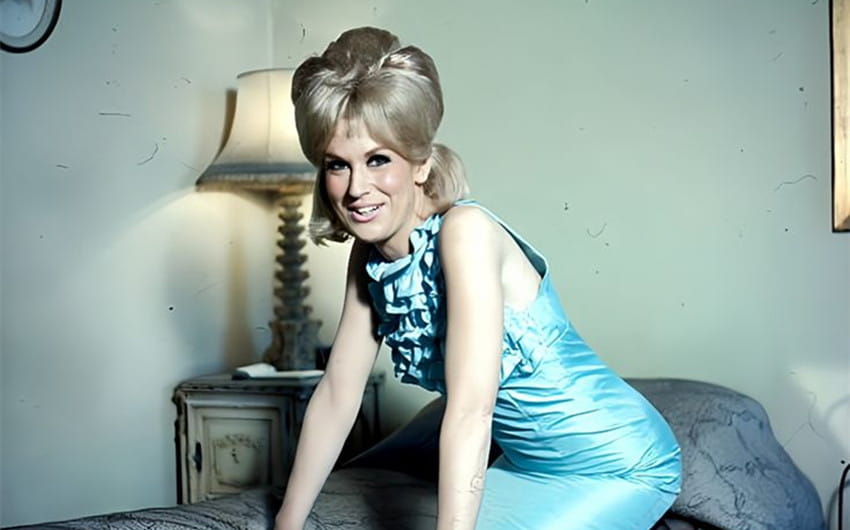
Dusty’s image—big hair, glamorous styling, emotional intensity—was iconic. But icons are often tightly managed, and romantic relationships can disrupt the “story” the industry wants to sell.
Emotional complexity
Dusty’s story is also human. She had a powerful emotional world, and that doesn’t always pair easily with stable, publicly visible relationships. Some biographies and accounts suggest she struggled with confidence, anxiety, and the pressures that come with constant performance. If you’ve ever had a time in your life where love felt hard simply because life felt hard, you can understand how fame can amplify that.
The relationships most often mentioned in Dusty’s life
Because Dusty never married, what you’re really asking is: who did she love, and who loved her back?
Dusty’s biography includes several relationships and rumored relationships, but one of the best-known is her connection to singer-songwriter Norma Tanega. Many accounts describe them as romantically involved in the 1960s, a period when Dusty was rising rapidly and navigating the tension between private identity and public success.
If you’re looking for a single “wife-like” figure in the sense of a long-term partner associated with her story, Norma is often the name people point to most.
That said, it’s important to be respectful and accurate: being in a relationship does not automatically equal being a spouse. Dusty didn’t formalize her partnerships through marriage, and much of what’s known is drawn from biographical reporting and retrospective accounts rather than constant public documentation.
Why fans sometimes call her partner a “wife” anyway
Even though Dusty didn’t marry, fans sometimes use “wife” as a modern shorthand to mean:
- long-term partner
- most significant romantic relationship
- the person she loved most deeply (as fans interpret it)
That’s emotionally understandable, but historically inaccurate. A better phrasing—especially if you’re writing about her—is “partner” or “girlfriend” (when supported by biographical accounts), rather than “wife.”
How Dusty’s career shaped her ability to settle down
When you’re at Dusty Springfield’s level, your life isn’t built around routine. It’s built around travel, studio time, press, late nights, and emotional output on demand.
A career like hers can make stable relationships harder because:
- you’re constantly moving
- you’re surrounded by industry pressure
- you’re expected to be “on” even when you’re exhausted
- your privacy is always at risk
And Dusty wasn’t just any singer—she was the kind of artist who lived inside the emotion of a song. That intensity is part of what made her legendary, but it can also make everyday life more complicated.
The cultural impact of Dusty never having a wife
This might surprise you, but the fact that Dusty never married is part of why she matters. Not because marriage is required for legitimacy, but because it shows how many queer people—especially public figures—were pushed into quiet, unofficial lives even when they were famous.
If Dusty were born decades later, you might have seen:
- a public partner on red carpets
- an openly queer relationship in interviews
- maybe even a marriage
But she wasn’t. She navigated the reality of her time. And that reality often meant you loved privately, not publicly.
Dusty Springfield as a queer icon today
Dusty’s legacy has grown in a way that goes beyond chart success. She’s remembered as a voice of emotional truth—someone who could make heartbreak feel sacred. For LGBTQ fans, she also represents survival and artistry in an era that didn’t offer much protection.
When you listen to Dusty, you’re not just hearing vocal technique. You’re hearing someone who understood longing, secrecy, yearning, and vulnerability—emotions that often show up in the lives of people who can’t openly live the love they feel.
That’s why the “Dusty Springfield wife” question exists: it’s not only about curiosity. It’s about trying to place her into a narrative where love is visible and honored.
How you should talk about Dusty’s love life respectfully
If you’re writing about Dusty Springfield or sharing her story, you can keep it accurate without turning it into gossip. Here’s the respectful approach:
- Say she never married, so she didn’t have a wife.
- Acknowledge she had relationships with women and is widely recognized as a queer icon.
- Mention significant partners only when commonly documented in biographies.
- Avoid treating rumors as confirmed facts.
- Keep the focus on her humanity, not just her headlines.
This approach honors both the truth and the reality of her era.
The simple takeaway
If you came here for the clearest answer to dusty springfield wife, here it is:
- Dusty Springfield did not have a wife because she was never married.
- She did have meaningful relationships, including relationships with women, but she kept much of her private life out of public view.
- The reason you don’t see a clear “spouse timeline” is because her era—and her need for privacy—didn’t make that kind of openness easy.
Featured image source: Pinterest