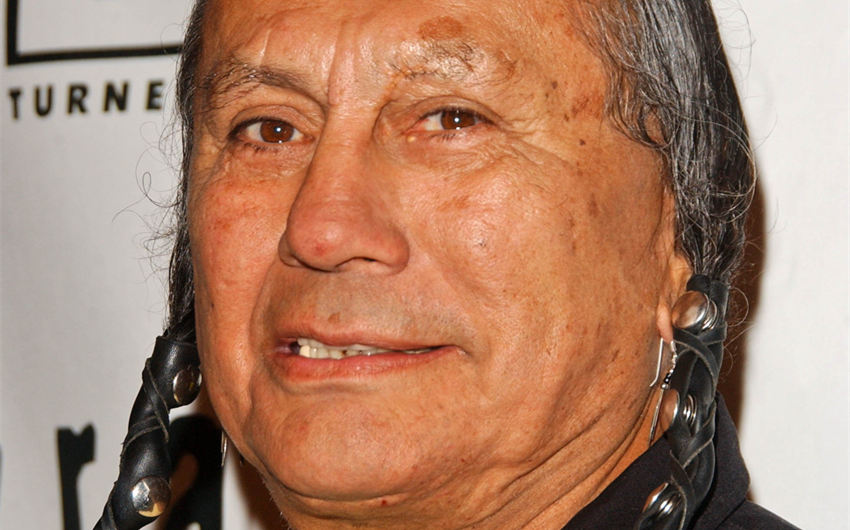
Russell Means Net Worth: Activism, Acting Career, and Financial Legacy
Interest in Russell Means net worth often comes from a desire to understand how a life spent in the public eye translates financially. Russell Means was a well-known Native American activist, actor, and writer whose influence reached far beyond entertainment. Unlike many public figures, however, his career was never built around accumulating wealth. Instead, it was shaped by political activism, cultural advocacy, and a commitment to Indigenous sovereignty. To understand his net worth, it’s essential to look at how he earned money, why he never pursued fortune as a primary goal, and what he chose to prioritize instead.
Who Was Russell Means?
Russell Means was an Oglala Lakota activist, actor, author, and public speaker who became one of the most recognizable Native American leaders of the 20th century. He rose to prominence during the late 1960s and 1970s through his involvement with the American Indian Movement (AIM), a grassroots organization that brought national attention to Indigenous rights, treaty violations, and systemic injustice.
Later in life, Means expanded his public presence through acting, writing, and speaking engagements. While these ventures provided income, they also served a larger purpose: giving Native voices visibility in spaces where they had long been excluded. His legacy is rooted far more in cultural impact than in personal wealth.
Russell Means’ Early Life and Path to Activism
Russell Means was born in 1939 on the Pine Ridge Indian Reservation in South Dakota. His early life was marked by poverty, instability, and firsthand exposure to the inequalities faced by Native communities. These experiences played a central role in shaping his worldview and pushing him toward activism rather than a conventional career path.
Unlike entertainers who carefully manage public image and financial growth, Means embraced confrontation. He believed activism required visibility, disruption, and sacrifice. That mindset, while powerful politically, rarely aligns with building significant personal wealth.
Russell Means and the American Indian Movement
Means became one of the most visible leaders of the American Indian Movement, especially during the occupation of Wounded Knee in 1973. The 71-day standoff with federal authorities became a defining moment in modern Native American activism and brought global attention to Indigenous issues in the United States.
From a financial perspective, activism of this kind is costly. Legal battles, travel, organizing, and time away from paid work all reduce earning potential. For Means, these sacrifices were intentional. He consistently placed political and cultural goals above personal financial security, a choice that deeply influenced his eventual net worth.
Acting Career and Film Roles
Russell Means’ acting career is one of the main reasons people speculate about his net worth. His breakout role came in 1992 when he portrayed Chingachgook in The Last of the Mohicans. The film was a commercial success and introduced him to a wider, international audience.
He went on to appear in several films and television projects, often playing Native American characters rooted in strength and dignity. One of his most recognizable mainstream roles was as the speaking voice of Chief Powhatan in Disney’s Pocahontas and its sequel. These roles brought steady income and visibility, but they did not place him among Hollywood’s highest earners.
Means worked as a respected character actor rather than a leading box-office star. That distinction matters when discussing wealth. Character actors often earn solid but inconsistent paychecks, without the massive residuals or endorsement deals that fuel celebrity fortunes.
Television, Speaking Engagements, and Writing
Beyond film, Russell Means earned money through public speaking, lectures, interviews, and writing. He was a compelling speaker who drew audiences interested in Native American history, activism, and political theory. These engagements provided income while also aligning with his mission.
He also published an autobiography, Where White Men Fear to Tread, which offered personal insight into his life, beliefs, and activism. Book royalties and speaking fees likely provided additional financial stability, but these revenue streams typically generate moderate, not extravagant, earnings—especially when authors prioritize message over mass-market appeal.
Russell Means’ Political Campaigns and Public Work
Means also explored formal politics, including a run for the Libertarian Party’s presidential nomination in the late 1980s. While political involvement can increase public visibility, it is rarely profitable. Campaigns cost money, demand time, and often disrupt other income opportunities.
For Means, political participation was another extension of activism rather than a financial strategy. His willingness to pursue these paths further illustrates why his net worth remained modest compared to entertainers who focused exclusively on income-generating work.
Russell Means Net Worth at the Time of His Death
There is no publicly verified financial statement detailing Russell Means’ exact net worth. Most figures available online come from celebrity estimation websites, which rely on assumptions rather than confirmed records.
That said, commonly cited estimates place Russell Means’ net worth somewhere between $500,000 and $2 million at the time of his death in 2012. This range reflects his acting income, speaking work, book sales, and possible assets, while also accounting for expenses related to activism, legal challenges, and health issues.
It’s important to view this figure as an estimate, not a definitive number. More importantly, the range itself underscores how wealth was never the central measure of his success.
Factors That Limited Russell Means’ Net Worth
Several factors help explain why Russell Means did not accumulate significant wealth despite his fame:
First, activism carries financial costs. Legal fees, organizing efforts, and long periods without steady income are common realities for movement leaders. Second, Means was often controversial, which limited access to certain mainstream opportunities that might have been more lucrative. Third, health challenges later in life likely increased expenses and reduced earning capacity.
Most significantly, Means made conscious choices. He did not pursue endorsements, commercial branding, or carefully managed celebrity pathways. His priorities lay elsewhere.
How Russell Means Likely Spent His Money
Public records and biographies suggest that Russell Means focused his resources on family, community, and activism. While he worked professionally and maintained a livelihood, there is little evidence that he sought luxury or status through spending.
His lifestyle appeared practical rather than extravagant, consistent with someone who viewed money as a tool rather than a goal. This approach aligns closely with the values he expressed throughout his life.